Key Takeaways
- Functional fitness trains your muscles for real-life tasks like standing, reaching, and carrying.
- Chair squats, overhead presses, step-ups, farmer’s walks, and high-knee balance cover the movements you use most.
- Body weight and a sturdy chair are enough to begin.
- Two short sessions a week, plus daily walks, add up fast.
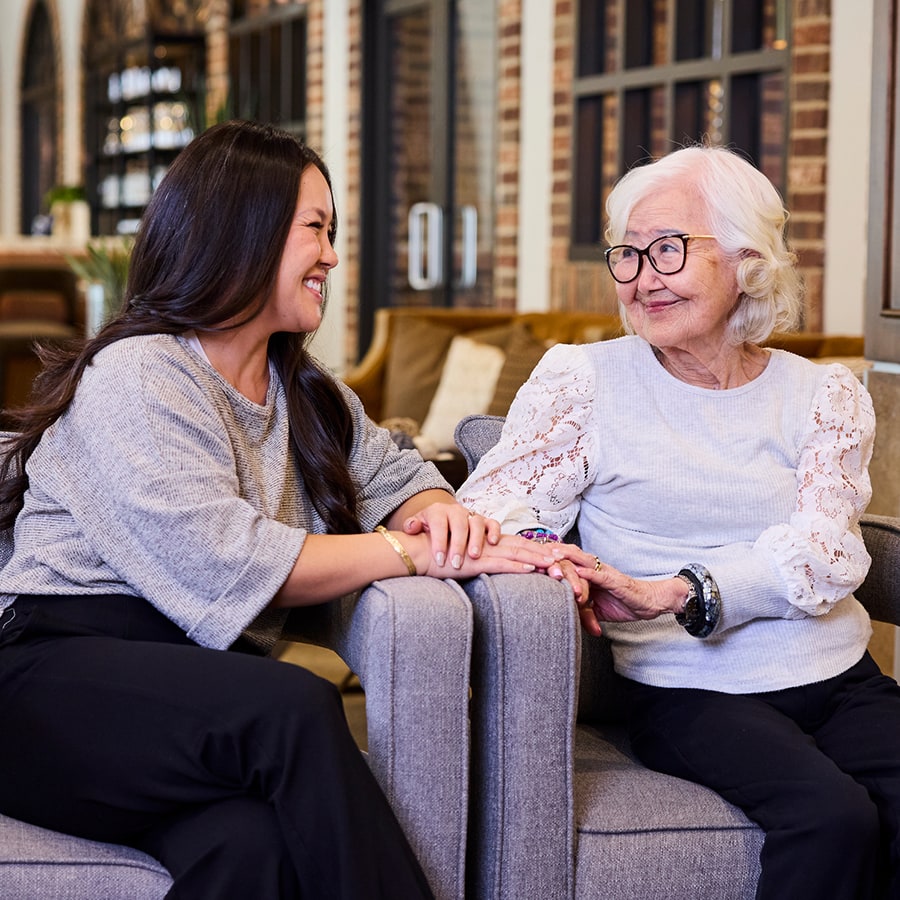
- Movement feels easier and more fun with company.
Movement That Matches Your Real Day
We let movements carry your day forward. Think about how you carry a laundry basket down the hall or how you push up from an armchair after dinner.
Functional fitness trains your muscles for the exact movements your day already asks of you. That way, squatting, lifting, reaching, twisting, and walking stay comfortable and steady. On October 28th, you can try something new for National Senior Health and Fitness Day. Sign up for a group class, take a lap around a walking path, or invite a neighbor to join you.
Why It Matters as You Age
Balance, mobility, and range of motion all tend to shift over time. Functional movement supports all three, helping to reduce the risk of falls and injuries so you can maintain your independence.
Functional movement looks different for everyone. To some, it might be about crouching down to tend to the flowerbed. For others, it could mean walking through a farmers market with friends. The goal isn’t a personal record. It’s a life that stays yours.
Five Functional Fitness Exercises to Try
Each of these moves connects to a task you already do. Start slow and focus on control. Pause when a movement feels uncomfortable.
- Chair squat. Stand in front of a sturdy chair and lower yourself until you barely touch the seat. Then press back up through your heels. This is the same motion you use every time you rise from a dining room chair.
- Overhead press. Hold light weights at shoulder height and press them straight up. A few weeks later, the top kitchen shelf and the closet’s high hook can suddenly feel a lot closer.
- Step-ups. Step onto a low, stable step with one foot. Then bring the other up to meet it, and step back down. That helps you feel more comfortable with stairs and curbs.
- Farmer’s walk. Hold a weight in each hand, keep your shoulders back, and walk a short distance. This mirrors how you’d carry a full laundry basket to the washing machine.
- High-knee balance. Stand tall, lift one knee toward your chest, and hold for a few seconds. Then switch to the other leg. You can use a countertop or an armchair as support if you’d like. This exercise helps you feel steadier on rough sidewalks and unfamiliar hallways.
How to Start Safely and Build Confidence
There’s no need for elaborate equipment. Your own body weight gives you plenty to work with. And the first few sessions are really about learning how each movement feels.
Keep a sturdy chair nearby for every exercise. Rest a hand on the back for balance during high knees. Or use the seat as a target for squats. If something feels off, ease back, shorten the range of motion, and try again another day.
Simple Equipment Options at Home
When body weight starts to feel easy, small additions can help you keep progressing.
- Light hand weights in the one to five pound range
- Resistance bands, which fold into a drawer
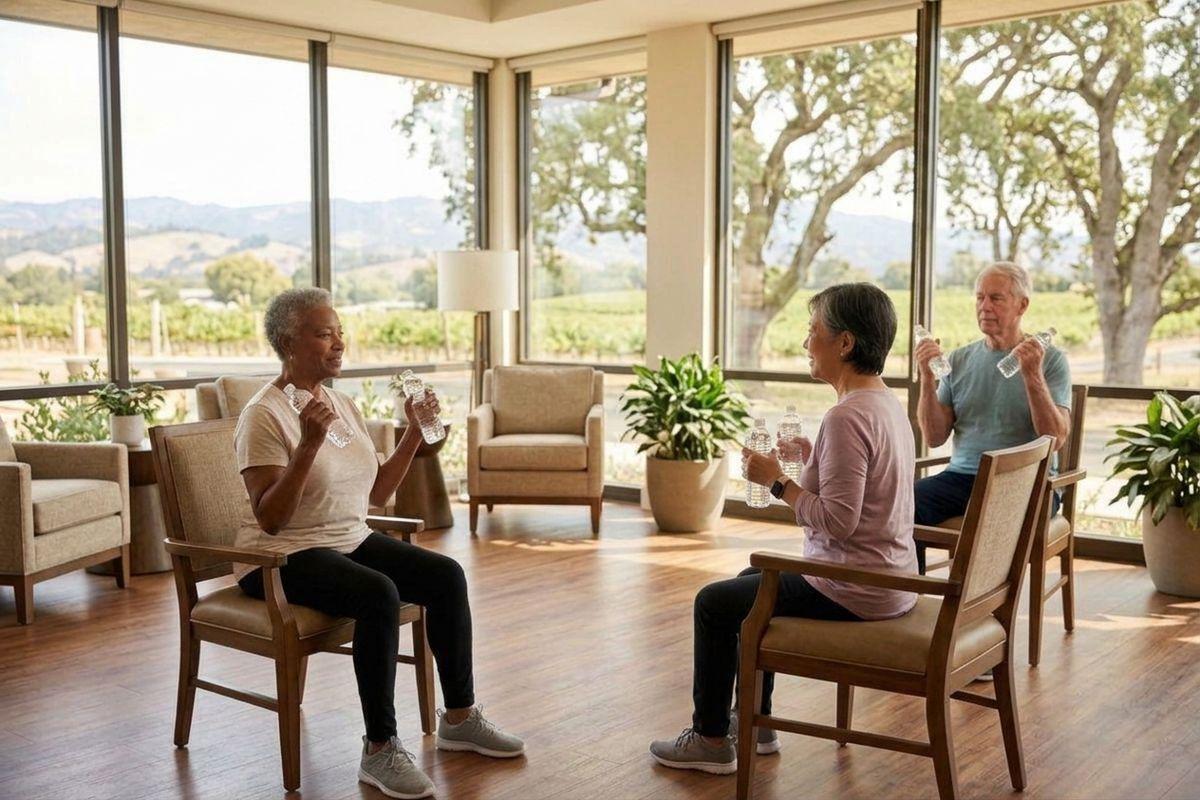
- Water bottles or soup cans as stand-ins
- A low, stable step or a bottom stair
How Often to Move Each Week
Two short sessions a week is a great starting point. Even 15 minutes counts when you’re engaging in those sessions consistently.
Daily walking adds up faster than most people expect. A loop around the block after breakfast, a stroll to the mailbox, or a walk to meet a friend for coffee. Those minutes stack together by the end of the week.
And choose the moves that match your own challenges. If stairs feel tough, practice step-ups. If carrying things wears you out, spend more time on farmer’s walks.
How Senior Living Communities Support Active Routines
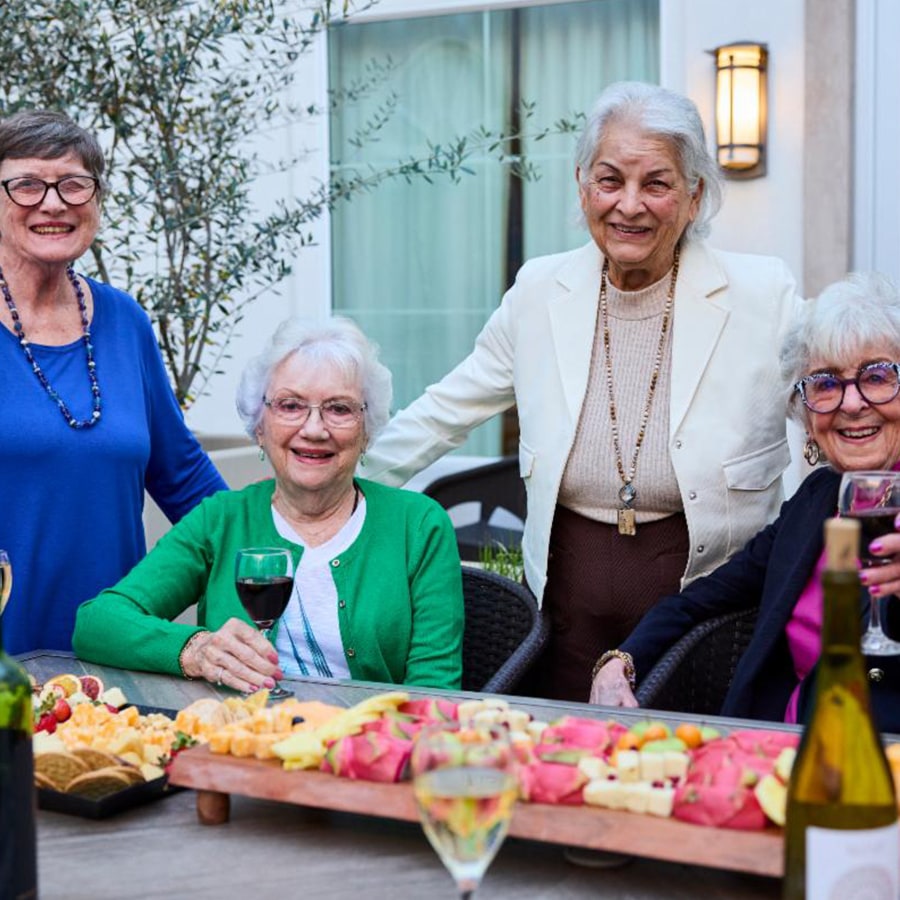
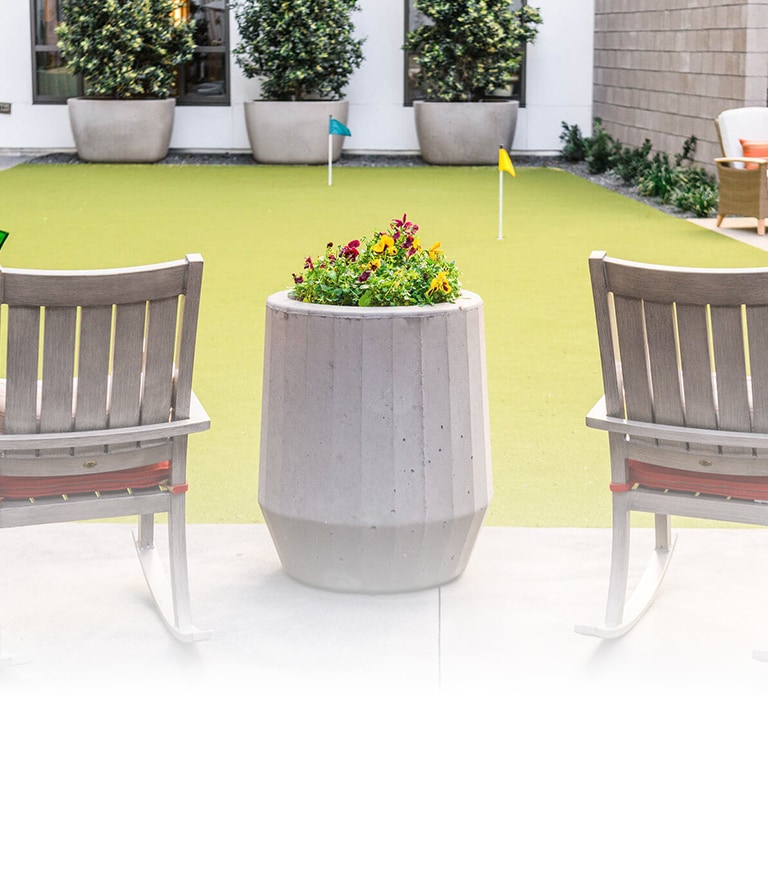
Staying consistent is much easier when movement is built into where you live. Group fitness classes, walking paths, and wellness programs turn exercise into something social. This helps fitness happen naturally.
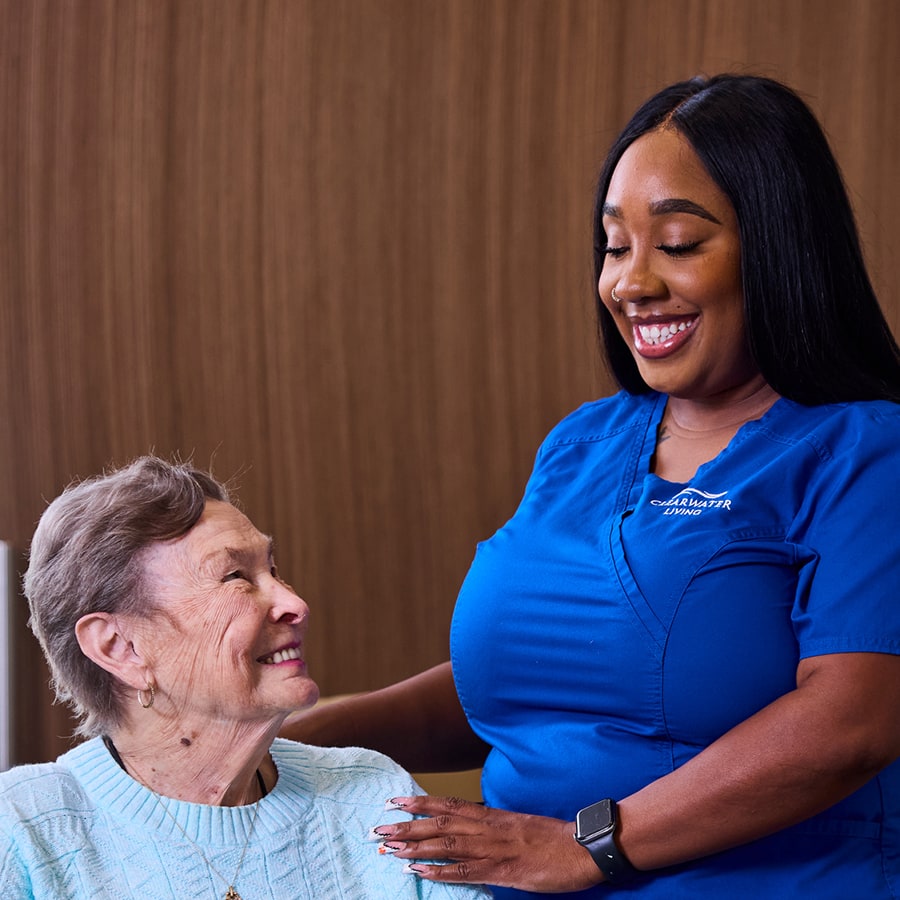
Routines in independent living, assisted living, and memory care adapt to each resident. They focus on what each person enjoys and wants to keep doing. Team members who know your name and notice when you skip a class can be your biggest supporters. Sometimes, a word of encouragement from a familiar face can help you feel more certain about the next movement class.
Moving Toward Steady Movement
Small movements protect big things, like your independence and confidence. When you stay consistent with small movements, 10-minute daily sessions can turn into a lifetime of health.
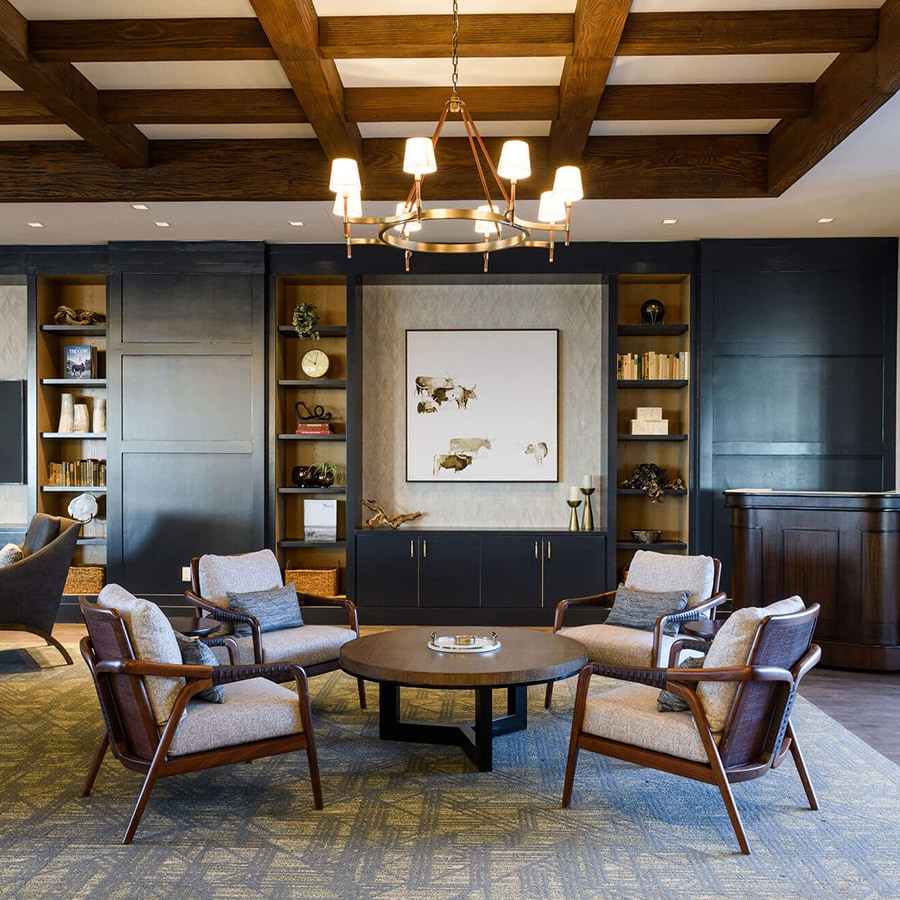
Movement also feels better with company. At Clearwater at The Heights in Houston, residents find fitness all around them. Classes, walking paths, and wellness programs are all designed around living fully. Reach out to schedule a visit and see what an active, connected day could look like for you.