
Key Takeaways
- Inclusion in senior living means genuine belonging, not just physical access.
- Thoughtful onboarding helps new residents feel seen and valued.
- Culturally relevant meals, traditions, and celebrations honor each resident’s identity.
- Asking the right questions on a tour helps you spot communities that genuinely walk the walk.
What Inclusion in Senior Living Really Looks Like
You’ve probably heard the word “inclusive” used a lot when it comes to senior living. But when you’re choosing a community for yourself or someone you love, a single word on a brochure doesn’t tell you much. What matters is what that word looks like in practice, every single day.
A truly inclusive senior living community goes far beyond accessibility ramps and open doors. It creates a space where every resident, regardless of background, identity, ability, or belief, feels like they genuinely belong. That kind of belonging shapes the entire experience, from how team members greet you in the morning to how your heritage is woven into daily life through programs like Empowered Living.
How a Welcoming Environment Takes Shape Every Day
Warm Arrivals and Thoughtful Onboarding
Moving into a new community is a big transition. The first few days carry a lot of emotional weight, and how a community handles that arrival matters more than most people expect. Personal welcome touches, like a handwritten note, a familiar meal, or a friendly face at the door, can turn a stressful moment into a warm one.
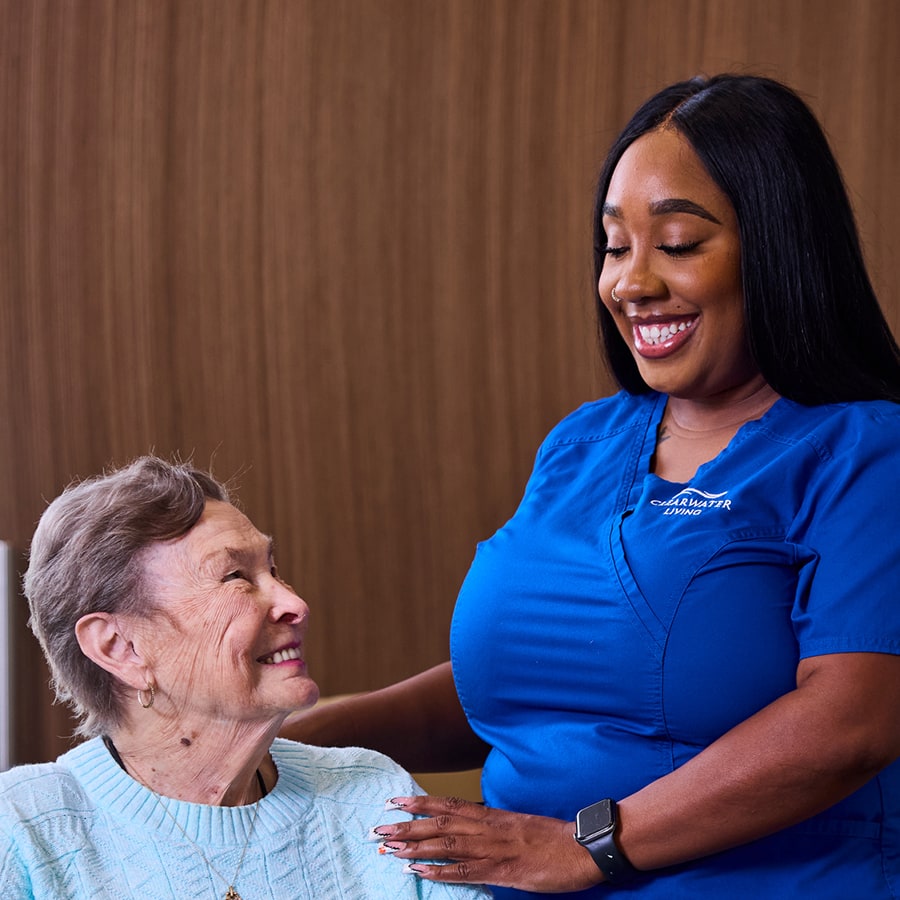
What truly sets a welcoming community apart is when team members take the time to learn your name, your preferences, and your life story before you even unpack. Knowing that someone remembers your morning routine or the music you love makes a real difference in how quickly a new place starts to feel like home.
Spaces Designed for Connection
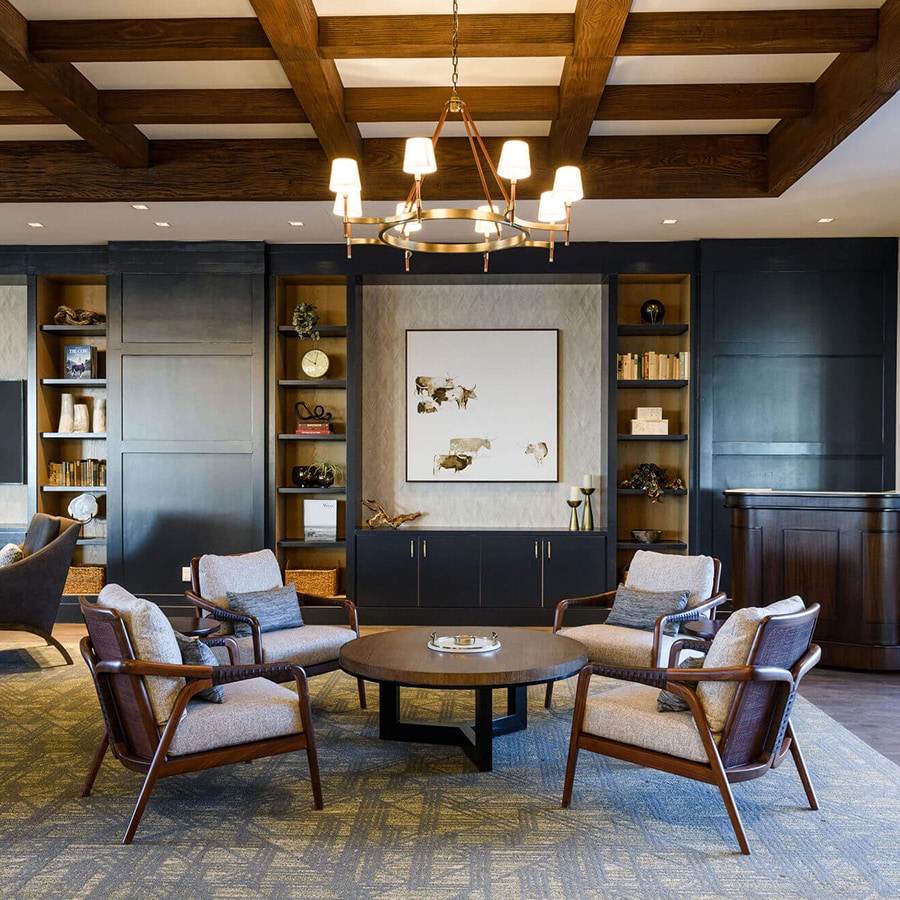
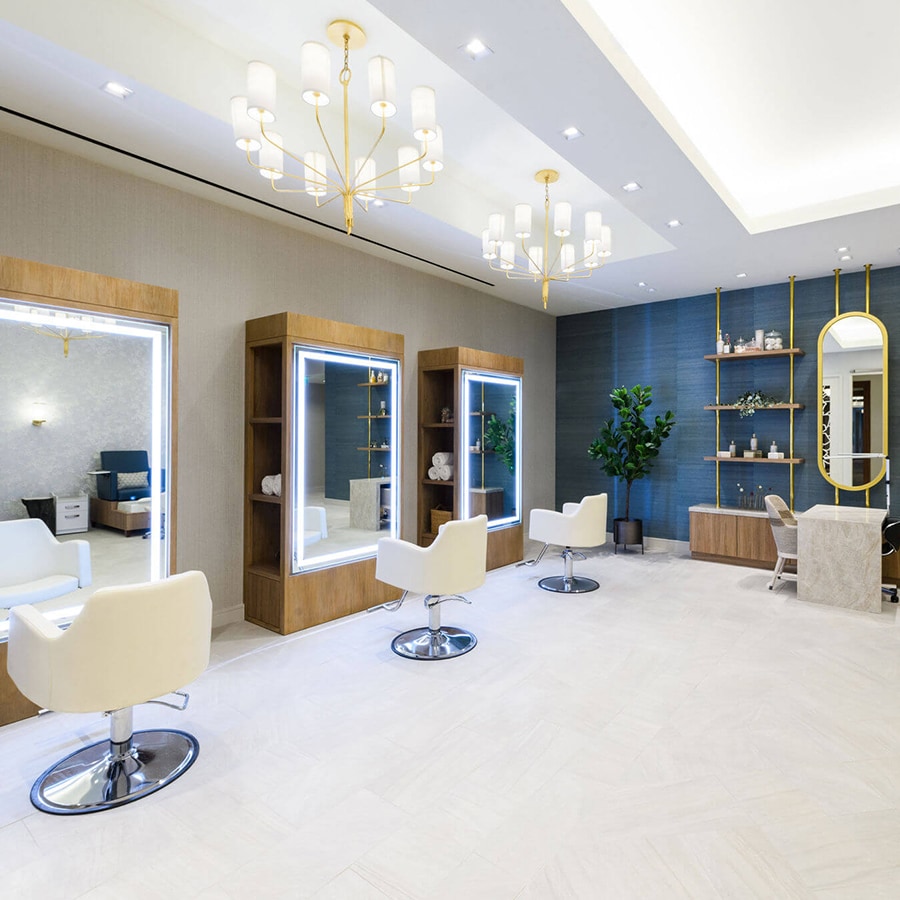
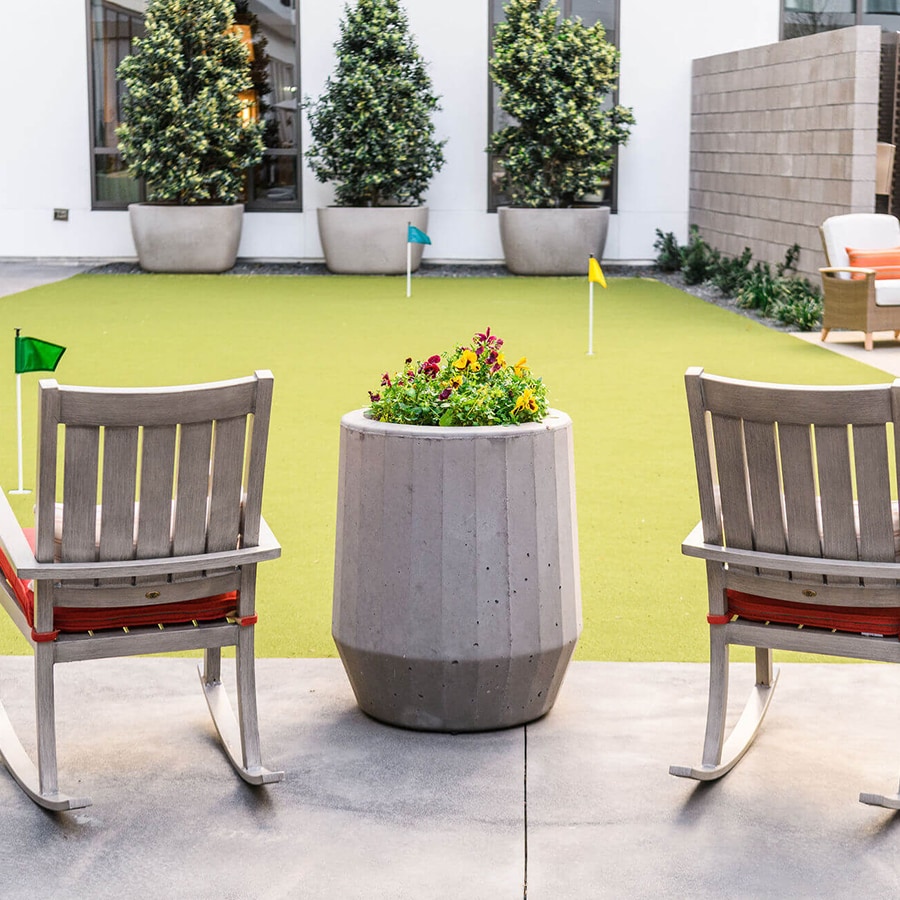
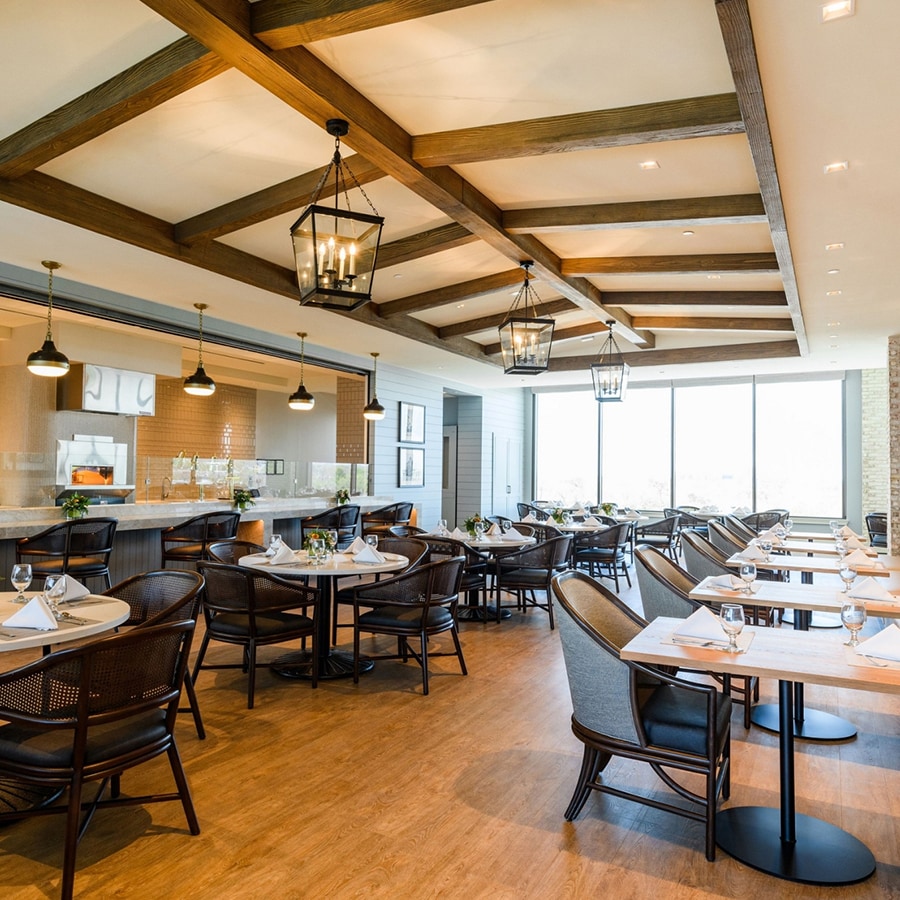
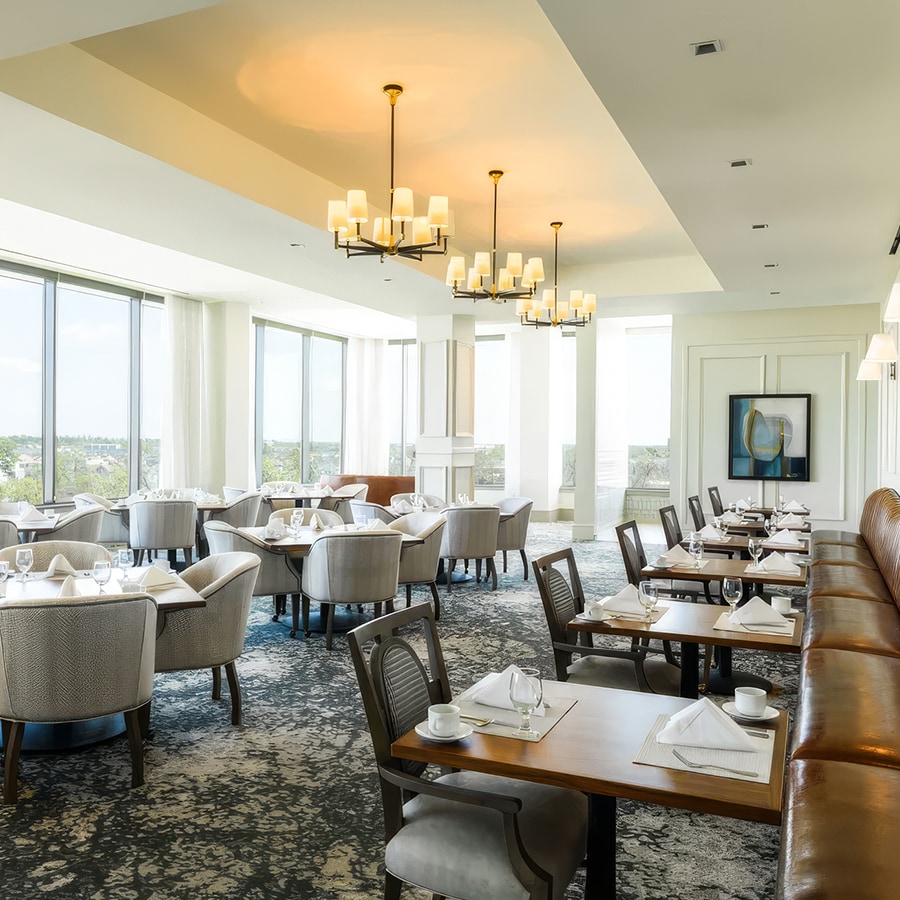
The physical layout of a community shapes how people interact. Common areas that feel inviting, bright, and comfortable naturally encourage conversation and shared moments. When you pass through a lounge that feels like a living room rather than a waiting room, you’re more likely to linger and connect.
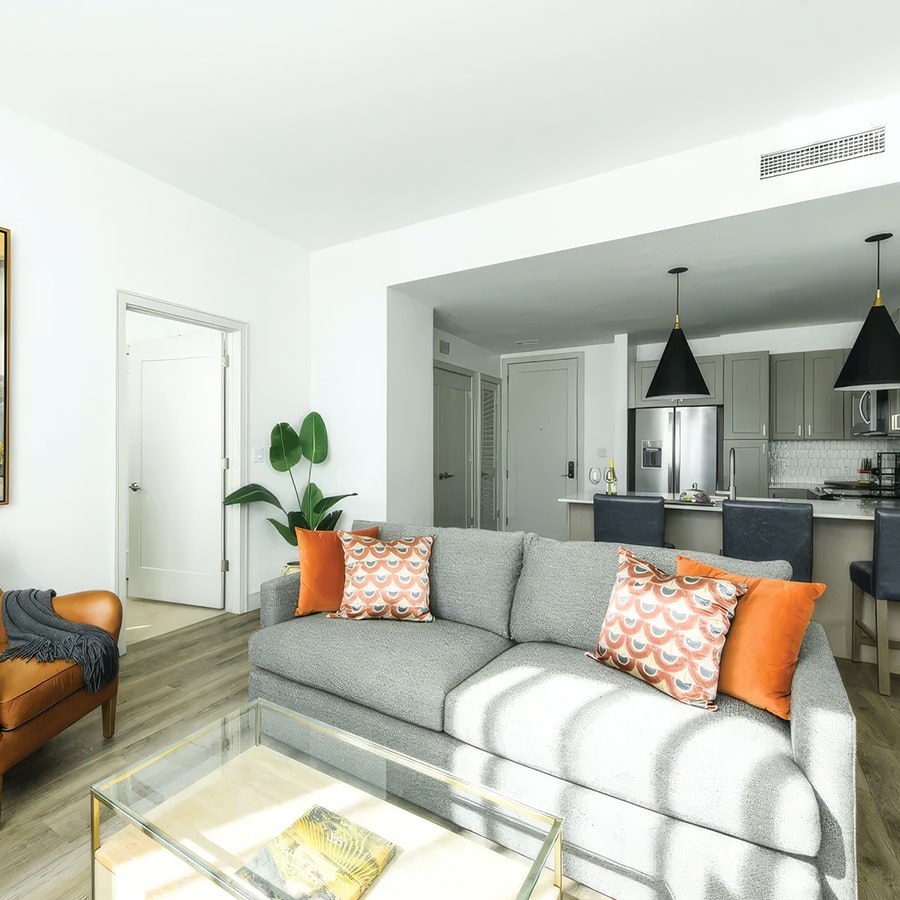
At the same time, privacy matters just as much as community. A thoughtfully designed environment respects that some moments call for quiet and solitude, while others call for laughter and togetherness. That balance is part of what makes independent living feel genuinely freeing.
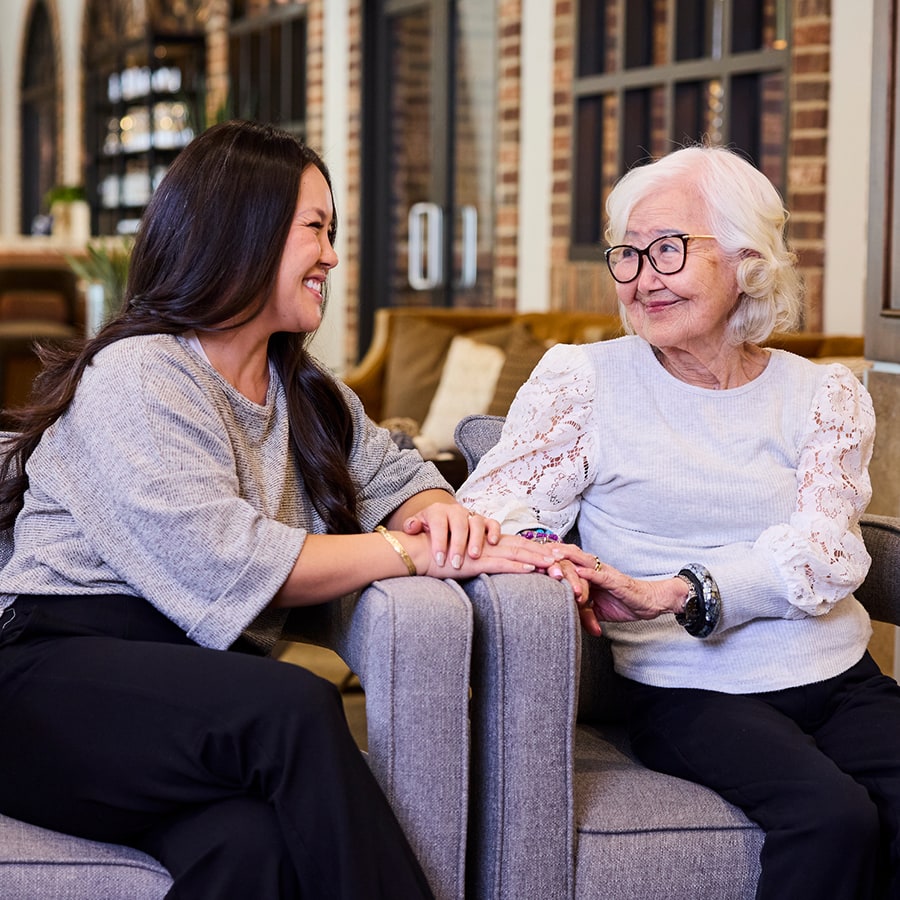
Staying socially connected has a real impact on overall well-being, and thoughtful space design makes that connection easier every day.
Culture, Identity, and Belonging in Assisted Living and Memory Support
Honoring Each Resident’s Unique Background
Inclusion looks different for everyone. For one resident, it might mean celebrating a cultural holiday with familiar foods and traditions. For another, it might mean having a care plan that reflects deeply held values or a lifelong daily routine. In assisted living and memory support settings, this kind of personalization is the foundation of dignified, respectful care.
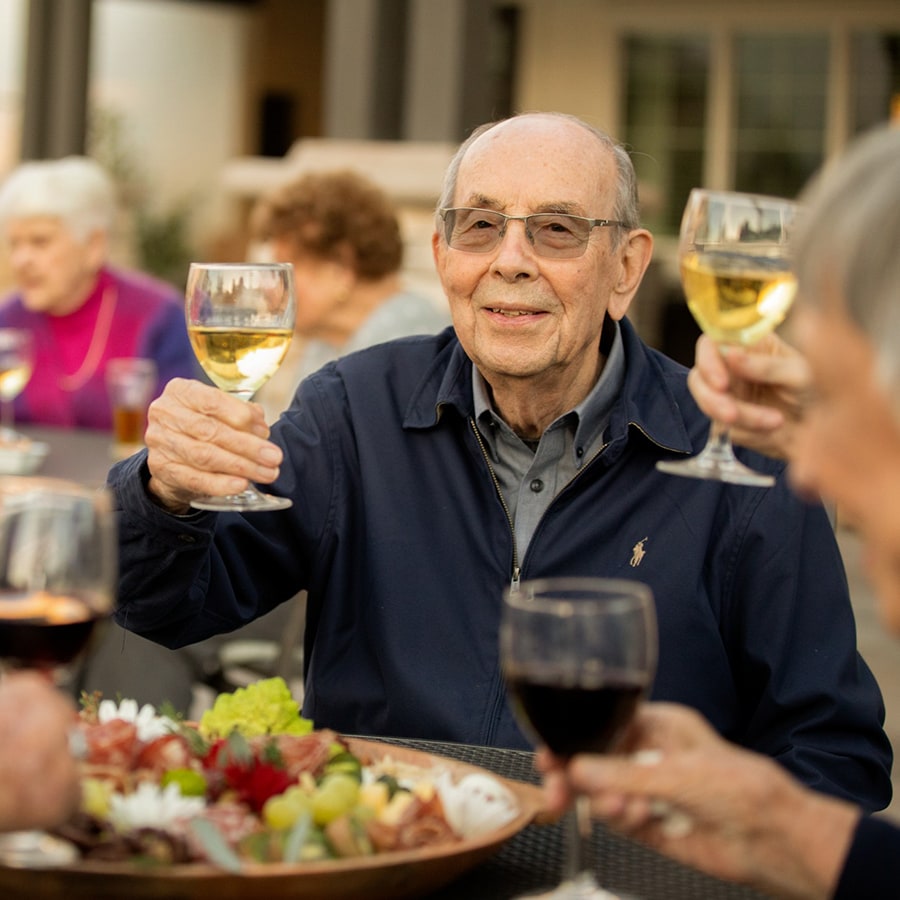
Culturally relevant meals, faith-based practices, and celebrations tied to heritage all send the same message: your identity doesn’t get left at the door when you move in. It’s honored, celebrated, and woven into your everyday experience.
Meaningful Activities That Bring People Together
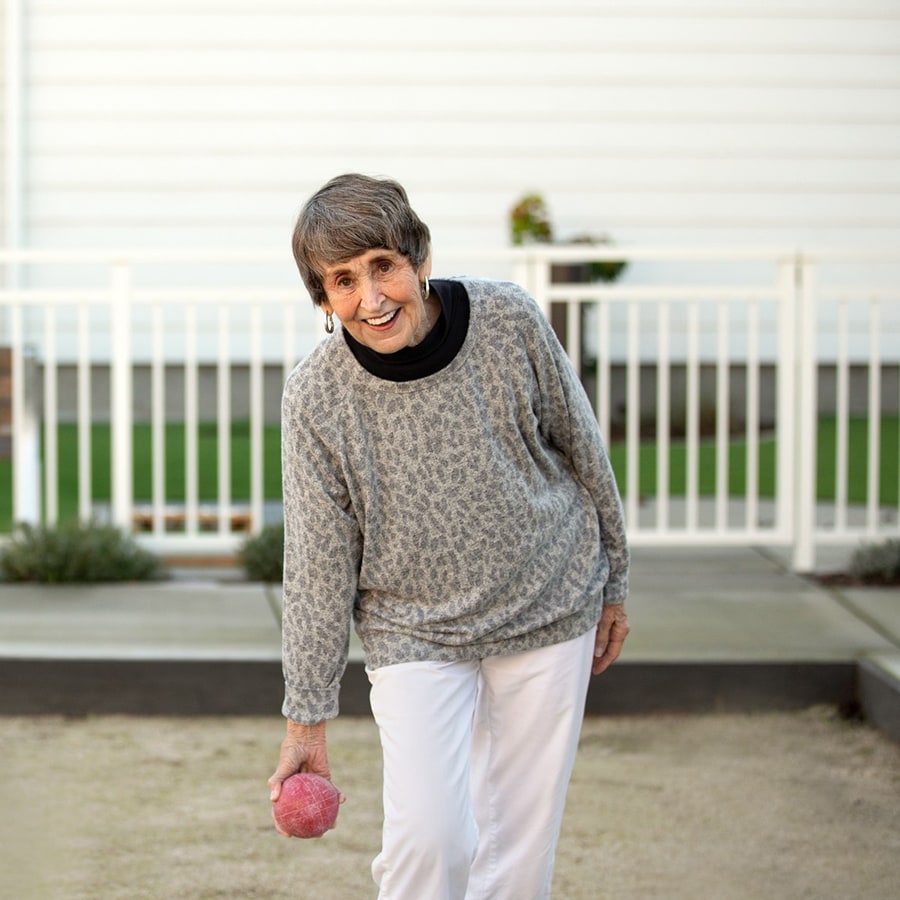
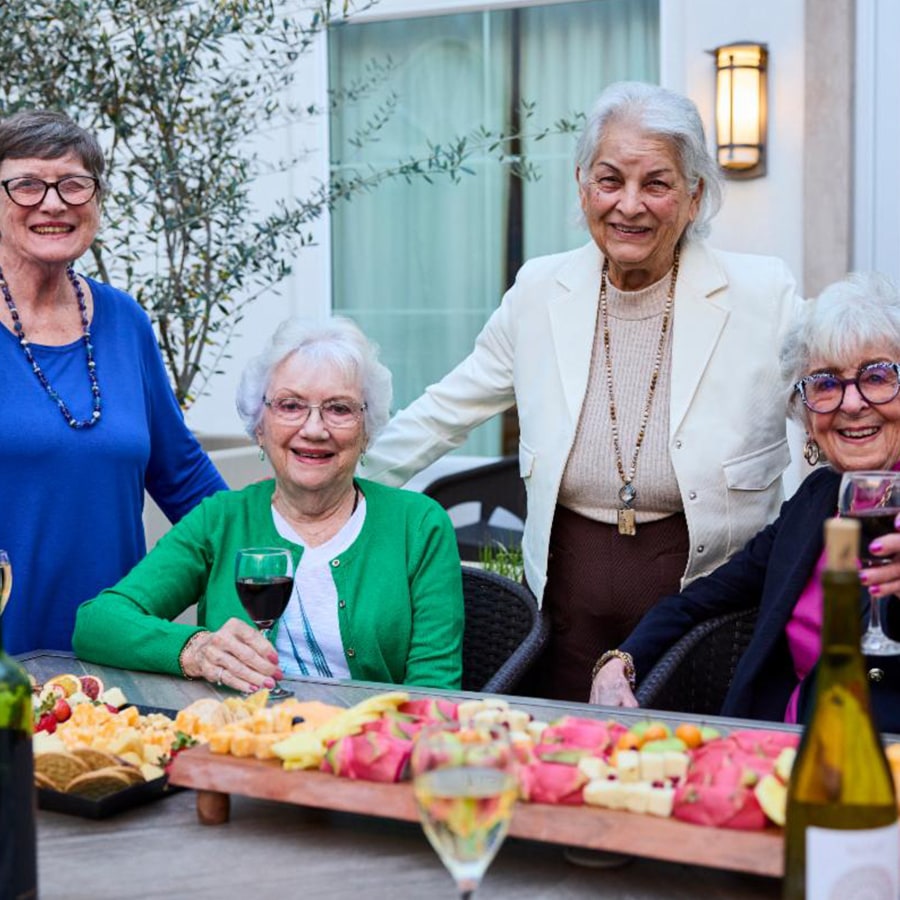
Programming that reflects the real diversity of a community does more than fill a calendar. It creates genuine connection. When events are tied to cultural heritage, shared interests, or resident-led storytelling, people feel seen in a way that generic activities simply can’t replicate.
Meaningful arts and community activities can reduce loneliness and support a stronger sense of purpose.
How Team Members Foster a People-First Community
No physical space, no matter how beautiful, creates belonging on its own. It’s the people within it who make the difference. Team members who use respectful, dignified language in every interaction set the tone for how residents feel about themselves and their community.
When a team member takes the extra step to introduce a new resident to a neighbor with similar interests, that small moment can spark a lasting friendship. Those connections are what make daily life in senior living truly rich.
What to Look for When You Tour a Senior Living Community
When you visit a community, the details tell the story. Ask how the community celebrates diversity and identity throughout the year. Ask what the community actually covers day to day, because the answer reveals a lot about values and priorities. Notice whether residents from varied backgrounds seem at ease and genuinely connected.
Watch how team members interact with residents and notice whether the environment feels alive and personal. Trust what you see and feel during that visit. Exploring the full range of amenities and services available can also help you picture what daily life would look like.
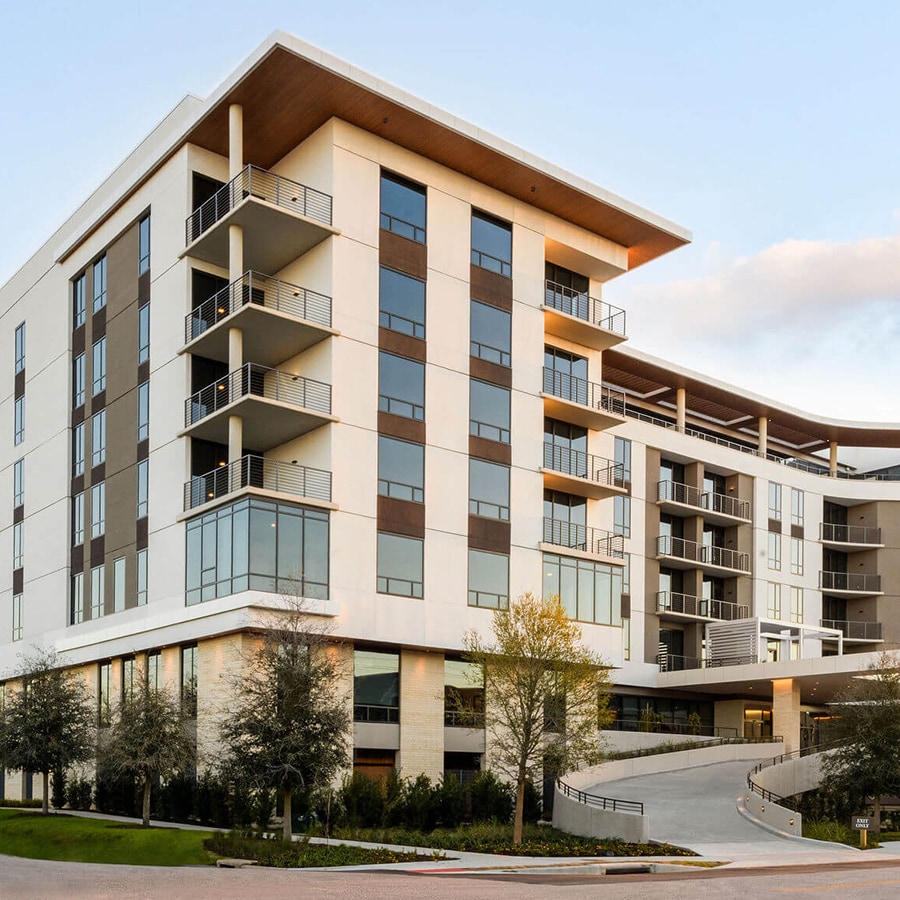
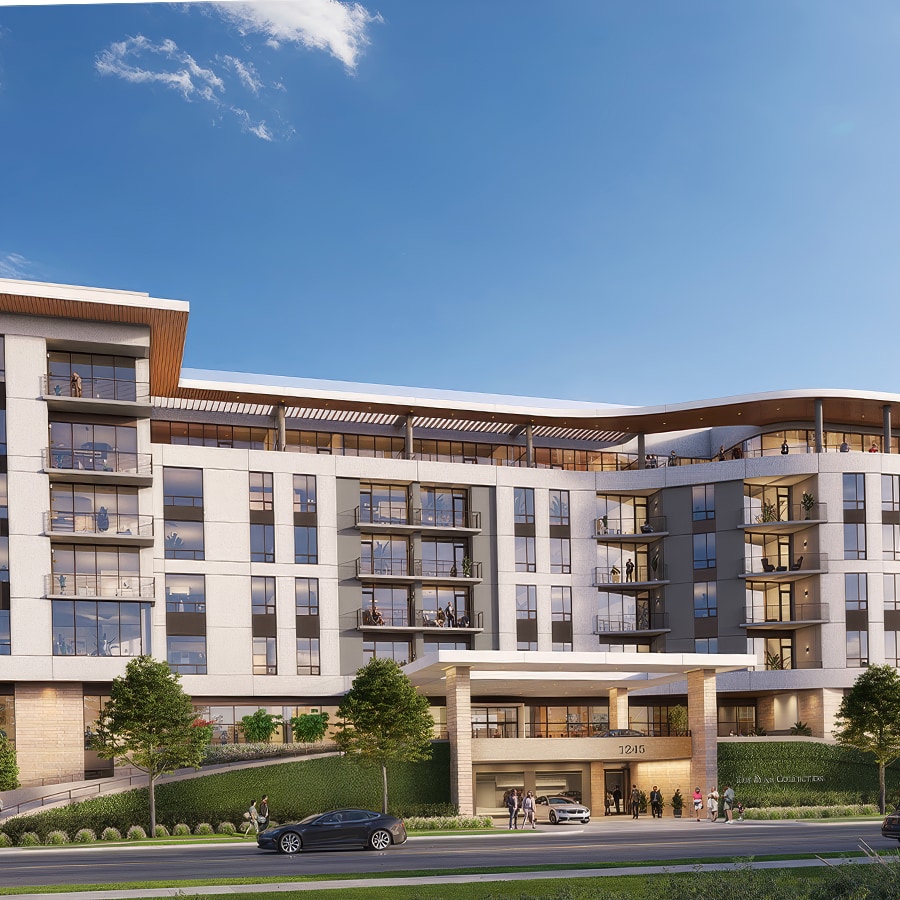
At Clearwater at The Heights, the commitment to inclusion, belonging, and a life fully lived is reflected in every detail of the community. If you’re ready to see what that looks like in person, reaching out to schedule a visit can help you find the answers you’re looking for.